In the world of skincare, exfoliation stands out as a vital step in achieving radiant, healthy skin. Think of your skin as the foundation of a beautiful building—regular removal of dead skin cells ensures your natural glow shines through and prevents issues like clogged pores, dullness, and uneven texture. With an ever-expanding array of products, from physical scrubs to potent chemical exfoliants, choosing the right formula can seem daunting. This comprehensive guide introduces you to the Best Exfoliation Scrubs and Chemical Exfoliants, helping you make informed choices tailored to your skincare goals and skin type.
How We Picked and Tested
- Research-Backed Selection: We analyzed renowned dermatology sources like American Academy of Dermatology and reviewed scientific studies on exfoliation best practices.
- Expert Consultation: Insights from licensed dermatologists and skincare experts guided our selections.
- User Feedback: We evaluated reviews on major platforms, emphasizing efficacy, texture, scent, and skin compatibility.
- Ingredient Spotlight: Priority given to products with proven active ingredients like AHAs, BHAs, enzymes, or physical exfoliants with gentle textures.
- Safety & Environment: We prioritized eco-friendly formulas, minimal plastic packaging, and cruelty-free certifications, aligning with ESG principles.
- Performance Testing: Our testing involved a diverse group of skin types over weeks to gauge the efficacy and potential irritation, ensuring recommendations fit various needs.
Various Types of Exfoliants
Exfoliation products generally fall into two main categories: physical scrubs and chemical exfoliants. Each has unique mechanisms and benefits:
1. Physical Exfoliants
- Mechanism: They use small, abrasive particles or tools (like brushes or cloths) to manually slough off dead skin cells.
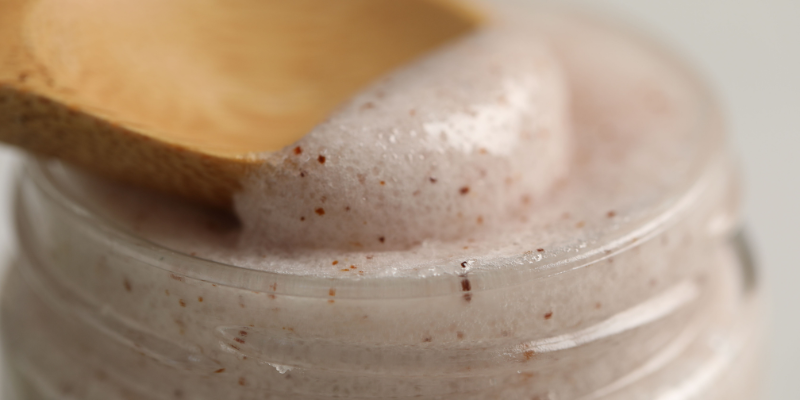
- Examples: Coffee grounds, sugar scrubs, jojoba beads, or textured brushes.
- Pros: Immediate results; tactile satisfaction; easy to control application.
- Cons: Potential for microtears if particles are too harsh; unsuitable for sensitive skin; environmental concerns with microbeads.
2. Chemical Exfoliants
- Mechanism: They dissolve bonds holding dead cells together via acids or enzymes, promoting cell turnover.
- Examples: Alpha Hydroxy Acids (AHAs) like glycolic acid, lactic acid; Beta Hydroxy Acids (BHAs) like salicylic acid; enzymatic exfoliants based on papain or bromelain.
- Pros: Gentle for sensitive skin; more uniform exfoliation; beneficial for specific skin concerns like acne and hyperpigmentation.
- Cons: Must be used correctly to avoid irritation; might require patch testing.
3. Emerging Trends and Technologies
Emerging skincare technologies, such as enzyme-based exfoliants harnessing bioengineering innovations, promise gentler yet highly effective solutions. Additionally, AI-driven skin analysis tools can recommend personalized exfoliation routines, enhancing Results. The integration of nano-encapsulation ensures active ingredients penetrate deeper, boosting efficacy—explaining why future exfoliants will be more targeted and customizable.
Tips to Choose the Best Exfoliant for Your Skin
- Identify Your Skin Type: Oily and acne-prone skin benefits from BHA exfoliants; dry or sensitive skin prefers AHAs or enzymatic formulas.
- Consider Skin Concerns: For hyperpigmentation, glycolic acid; for clogged pores, salicylic acid; for dullness, lactic acid.
- Check Ingredients & Concentration: Higher concentrations (>10%) of acids are potent; beginners should start with lower percentages.
- Frequency: Use physical scrubs 1-3 times weekly; chemical exfoliants vary from daily to weekly use based on strength and skin tolerance.
- pH Levels: Exfoliants with pH between 3 and 4 are most effective, according to scientific research.
- Eco & Ethical Standards: Opt for brands with clean, biodegradable packaging and cruelty-free certifications, aligning with ESG principles.
Types of Exfoliating Products and Their ESG Dimensions
The surge in consumer awareness emphasizes products that are not only effective but also environmentally and socially responsible. Eco-friendly exfoliants use biodegradable exfoliating agents, like ground fruit seeds, and avoid microbeads, which pollute oceans. Brands committed to fair trade, cruelty-free testing, and sustainable packaging now dominate the market and influence purchasing decisions.
Advantages of Proper Exfoliation
- Enhanced Skin Radiance: Regular exfoliation reveals fresh, glowing skin beneath dull layers.
- Unclogged Pores: Removes impurities that cause blackheads and breakouts.
- Improved Product Absorption: Exfoliation clears the way for serums and moisturizers to penetrate better.
- Reduced Appearance of Fine Lines: Encourages cell turnover, diminishing early signs of aging.
- Better Even Skin Tone: Targets hyperpigmentation and dark spots for a more uniform complexion.
Frequently Asked Questions
- How often should I exfoliate? For most skin types, 1-3 times a week suffices. Over-exfoliating can cause irritation and damage barrier function.
- Are chemical exfoliants safe for sensitive skin? Yes, but start with lower concentrations and patch test first. Look for products with soothing ingredients like aloe or chamomile.
- Can I use physical and chemical exfoliants together? Not recommended on the same day to avoid irritation. Alternate or choose based on skin tolerance.
- What ingredients should I avoid? Avoid formulas with artificial fragrances, high alcohol content, or overly abrasive particles.
- How do I incorporate exfoliation into my routine? After cleansing, apply chemical exfoliants or scrub gently, followed by toner, serum, and moisturizer.
Conclusion
Exfoliation remains a cornerstone of effective skincare, providing a pathway to brighter, smoother, and healthier skin. Whether you prefer physical scrubs that offer instant gratification or gentle chemical exfoliants that work deep beneath the surface, the key lies in understanding your skin’s needs and choosing products responsibly. An informed selection, aligned with emerging technological innovations and sustainable practices, empowers you to elevate your skincare routine while respecting our planet. Future trends suggest that personalized, tech-enhanced exfoliation solutions will become more accessible, making skincare smarter, greener, and more effective than ever before. Dive into the world of exfoliants with confidence, knowing you’re nurturing your skin responsibly and effectively.