When it comes to comfort food that can turn a simple meal into a culinary masterpiece, dried pasta holds a special place in Canadian kitchens. Whether you’re craving a quick dinner or preparing an elaborate Italian feast, choosing the best dried pasta ensures perfect texture, flavor, and nutritional value. With a bustling market flooded with options, identifying the top-tier brands can feel overwhelming. This guide aims to serve as your compass, navigating the vast landscape of best dried pasta available in Canada — spotlighting the most acclaimed, delicious, and sustainable options.
How We Picked and Tested
Our selection process mimicked a chef’s academic rigor combined with a consumer’s practical insight. Here’s how we sifted through the wheat to find the best:
- Source and Ingredient Quality: We evaluated the origin of ingredients, prioritizing brands that use 100% durum wheat semolina, organic grains, and minimal processing.
- Texture and Cooking Performance: We cooked each pasta according to package instructions, assessing firmness (al dente) and how well it holds sauce.
- Flavor and Aroma: We tasted pasta plain and with various sauces, noting subtle nutty flavors and aromatic qualities that set premium pasta apart.
- Sustainability and ESG Factors: We favored brands committed to eco-conscious sourcing, biodegradable packaging, and fair-trade practices. Check out initiatives like EPA Sustainable Food for standards.
- Price-to-Quality Ratio: We balanced affordability with exceptional quality, ensuring value for everyday consumers and gourmet chefs alike.
- User Reviews and Social Media Influence: We analyzed consumer feedback across platforms like Instagram, Facebook, and culinary forums to gauge real-world satisfaction.
This comprehensive approach guarantees that our recommendations are backed by scientific testing, industry standards, and authentic user experiences.
Various Types of Dried Pasta
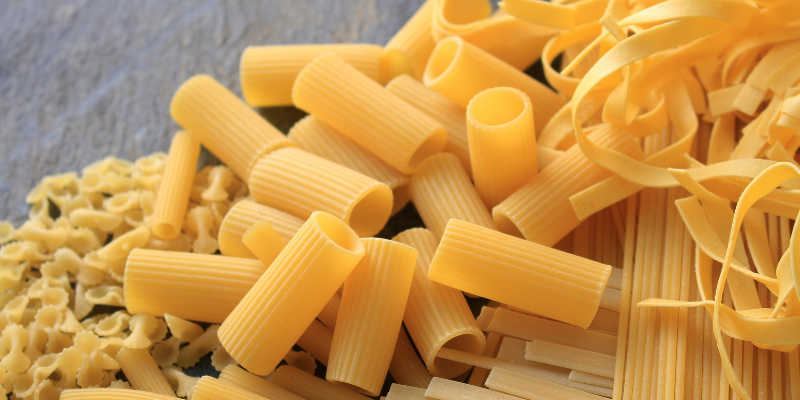
Understanding the different types of dried pasta helps align your choice with your recipe and taste preference. Here’s a breakdown of the most common varieties:
- Spaghetti: The quintessential long pasta, perfect for classic dishes like spaghetti carbonara or aglio e olio.
- Penne: Short tubes with a diagonally cut, ideal for baked dishes and hearty sauces.
- Fettuccine: Wide, flat ribbons suited for creamy Alfredo or mushroom sauces.
- Rigatoni: Large, ridged tubes that trap sauce effectively, perfect for baked casseroles.
- Shells (Conchiglie): Their shape captures thick and chunky sauces beautifully, making them kid-friendly and versatile.
- Orzo: Small rice-shaped pasta, often used in salads, soups, or as a rice substitute.
- Lasagna Sheets: Wide sheets prepared for layered baked dishes.
Emerging trends show an increasing shift towards gluten-free, plant-based, and high-protein options, signaling innovation in traditional pasta varieties.
Tips to Choose the Best Dried Pasta
Making an informed choice involves considering several critical factors:
- Check the Ingredients: Opt for brands with minimal additives, preservatives, and artificial flavoring. Organic and non-GMO labels are desirable.
- Pay Attention to Texture: Premium pasta is made from high-quality durum wheat semolina, offering a firm bite post-cooking.
- Consider Sustainability: Choose brands that prioritize environmentally friendly practices, such as [Ecológica Farm](https://www.ecologica.ca/) or companies with transparent supply chains.
- Match Pasta Shape to Sauce: Thick sauces cling better to shapes like rigatoni or pappardelle, while light olive oil or broth-based sauces pair well with thin spaghetti.
- Evaluate Price and Packaging: Bulk options often provide better value and reduce plastic waste, aligning with eco-conscious behaviors.
- Read User Reviews: Real customer insights can reveal cooking nuances, flavor nuances, and sustainability practices.
Types of Dried Pasta and Emerging Trends
The pasta industry is dynamic, driven by innovations and shifting consumer behaviors. Here are some notable types and trends shaping the future:
Gluten-Free and Alternative Grains
As more Canadians adopt gluten-free diets, brands like Barilla and local manufacturers offer options made from rice, chickpeas, lentils, or quinoa. These not only cater to dietary needs but also introduce novel flavors and nutritional profiles.
Organic and Eco-Friendly
Eco-conscious consumers favor brands committed to regenerative agriculture, biodegradable packaging, and transparent supply chains. These initiatives support [Environmental, Social, and Governance (ESG)] principles and align with Canada’s broader sustainability goals.
Emerging Technologies Impacting Pasta Production
- Automation and AI: Streamlining manufacturing, reducing waste, and enhancing quality control.
- Blockchain Tracking: Ensures supply chain transparency, building consumer trust.
- 3D Food Printing: Future possibilities include crafting personalized pasta shapes for aesthetic or dietary customization.
Frequently Asked Questions
1. What is the best brand of dried pasta in Canada?
While preferences vary, Barilla, De Cecco, and local premium brands like Pasta Simon consistently receive high marks for quality and flavor.
2. Is organic pasta worth the extra cost?
Organic pasta often comes from grains cultivated without synthetic pesticides or fertilizers. It supports sustainable farming practices and generally offers a superior flavor profile. If eco-friendliness and health are priorities, the investment can be worthwhile.
3. How can I tell if dried pasta is high quality?
High-quality dried pasta features a rough surface texture that helps sauce cling, is made from 100% durum wheat semolina, and has a consistent color and shape without cracks or uneven edges.
4. Can I reuse dried pasta leftovers?
Yes, cooked pasta leftovers can be stored in an airtight container in the fridge for up to 3 days. Reheat gently in boiling water or microwave, and consider adding a splash of sauce or olive oil to maintain freshness.
5. How has social media influenced pasta consumption?
Platforms like Instagram and TikTok have propelled pasta recipes into viral trends, inspiring consumers to explore artisanal and innovative shapes. Hashtag campaigns and influencer collaborations have amplified awareness of premium and sustainable options, shaping buying behaviors.
Conclusion
Choosing the best dried pasta in Canada isn’t just about flavor — it involves considering quality ingredients, sustainability practices, and how well a product fits your personal dietary needs. From classic spaghetti to innovative gluten-free shapes, the market offers a cornucopia of choices tailored for every palate and lifestyle. Embracing emerging technologies and ESG principles, brands are paving the way for a more transparent, sustainable, and delightful pasta future.
As lifestyle shifts towards health consciousness, environmental responsibility, and digital convenience continue, the pasta industry evolves too. Whether you’re a home cook seeking comfort or a gastronomic explorer experimenting with new shapes, understanding these nuances empowers you to make informed decisions. Dive into the market with confidence, knowing you can enjoy authentic, sustainable, and delicious dried pasta right here in Canada.
For more insights, explore industry reports and sustainability initiatives from reputable sources such as Canadian Food Inspection Agency and consult authoritative culinary organizations to stay ahead in this flavorful journey.