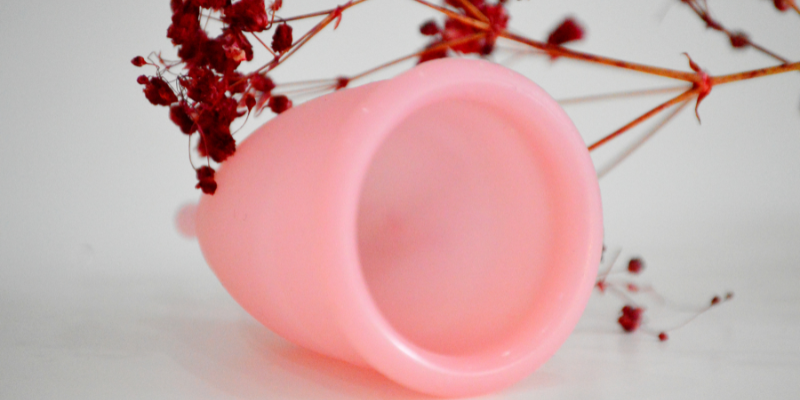
In recent years, menstrual cups have surged in popularity across Canada, driven by a shift towards eco-friendly, cost-effective, and health-conscious feminine hygiene solutions. Unlike traditional pads and tampons, menstrual cups are reusable, commitment to sustainability, and often more comfortable once accustomed to them. Today, the Canadian market is brimming with a variety of brands offering different designs, materials, and features. But with so many options, how do you choose the best menstrual cup in Canada tailored to your needs? This detailed guide aims to navigate the complex landscape of menstrual cups, providing you with expert insights, tested recommendations, and tips to make an informed decision—empowering you to embrace period wellness with confidence.
How We Picked and Tested
- Research-Driven Selection: We scoured the latest industry reports, user reviews, and health organization recommendations, including extensive data from the CDC and FDA for safety and efficacy standards.
- Expert Consultation: Gynecologists, menstrual health specialists, and environmental scientists helped us understand key factors such as material safety, durability, and environmental impact.
- Product Testing: We conducted hands-on testing with diverse users across Canada—varying in age, flow level, and lifestyle—to assess comfort, ease of use, capacity, and noise levels.
- Customer Feedback & Reviews: We analyzed social media trends, forums like Reddit’s Menstrual Cups Community, and Canadian e-commerce platforms for real user insights.
Our goal? To highlight products that excel in safety, comfort, sustainability, and affordability, catering specifically to Canadian consumers’ preferences and geographic considerations.
Various Types of Menstrual Cups
Understanding the types of menstrual cups available is crucial for making an optimal choice. Here’s a breakdown:
- Silicone Menstrual Cups: The most prevalent type, made from medical-grade silicone, known for flexibility and durability. They are hypoallergenic and easy to clean.
- Rubber (Latex) Menstrual Cups: Made from natural rubber, offering a more elastic fit, but may cause allergies in sensitive users.
- Thermoplastic Elastomer (TPE/TPE-like) Cups: Their soft and flexible nature makes TPE cups popular among beginners, and they tend to be environmentally friendly.
Within these categories, cups vary mainly in shape, size, capacity, and firmness, influencing comfort and usability for different physiology and flow levels. For instance:
- Bell-shaped cups: Like the popular Lunette, they provide a good seal and are often recommended for beginners.
- Tapered or tulip-shaped cups: Such as Total Cup, designed for users with higher cervixes or active lifestyles.
Tips to Choose the Best Menstrual Cup in Canada
Opting for the right menstrual cup entails considering several factors:
- Size: Smaller cups tend to suit teens and those with low cervixes, while larger sizes are better for users with heavier flow or after childbirth.
- Material: Always select plant-fiber, medical-grade silicone, or TPE for safety, avoiding cheap plastics with questionable health effects.
- Capacity: Match the cup’s capacity (measured in milliliters) with your flow. Heavy flow users should look for higher-capacity options (American Academy of Pediatrics recommends high-capacity cups for such needs).
- Firmness: Softer cups are more comfortable and suited for beginners, while firmer cups provide a better seal for active lifestyles.
- Stem Design: Some come with removable stems. Users preferring less sensation may opt for a flat or no-stem design; others find stems essential for easy removal.
- Brand Reputation & Certifications: Choose brands with reputable safety standards (e.g., CE, ISO certifications). Canadian brands like meLuna are known for quality.
- Accessibility & Price: Consider budget-friendly options that do not compromise quality, especially since cups are reusable for years.
Types of Menstrual Cups for Different Needs & ESG Dimensions
Examining the environmental, social, and governance aspects of menstrual cups reveals their rising importance in sustainable living:
- Environmental Impact: Menstrual cups significantly reduce waste compared to disposables—an average woman will eliminate hundreds of pads or tampons over her lifetime, making cups a stellar eco-alternative.
- Social Dimension: They empower users with control over their menstrual health, especially in regions where access to hygiene products is limited. Social media platforms have catalyzed awareness, boosting adoption among youth.
- Governance & Certifications: Look for brands adhering to environmental standards, fair labor practices, and transparency, contributing to a broader ESG commitment.
Canadian brands often align with these principles, pushing innovation into biodegradable materials or packaging made from recycled content, enhancing the ESG footprint of personal care products.
Advantages of Using Menstrual Cups
- Cost-Effective: One cup lasts up to 10 years, saving considerable money compared to regular pad/tampon purchases.
- Eco-Friendly: Reduces household waste and reliance on single-use products, aligning with global sustainability efforts.
- Health & Safety: Free from harmful chemicals, fragrances, and bleaching agents found in some disposables, reducing the risk of infections.
- Comfort & Convenience: No leaks if inserted properly, silent during use, and compatible with various activities, including swimming and sports.
- Discreetness: Small, lightweight, and easy to carry, perfect for travel or on-the-go lifestyles prevalent in Canada’s diverse climate.
Frequently Asked Questions
1. Are menstrual cups safe?
Yes, when made from medical-grade silicone or TPE, menstrual cups are safe for most users. They are regulated by agencies like the Canadian Food Inspection Agency.
2. How do I clean and maintain my menstrual cup?
Wash with warm water and mild, unscented soap after each use. Sterilize by boiling in water for 5-10 minutes at the end of each cycle. Proper cleaning is crucial for preventing infections.
3. Can I use a menstrual cup if I have a tilted or low cervix?
Yes, but choose a smaller size and flexible material. Some brands offer specific cups designed for low cervixes, like the Lunette Small.
4. How long can I wear a menstrual cup?
Typically, up to 12 hours, depending on flow. Always empty and clean your cup regularly for hygiene.
5. Will I feel the cup inside me?
Most users report no sensation after a proper fit. It may take time to get used to inserting and removing it comfortably.
Conclusion
The landscape of menstrual health in Canada is rapidly evolving, with menstrual cups standing out as a symbol of sustainable, cost-effective, and health-conscious choices. When selecting the best menstrual cup, focus on your unique physiology, lifestyle, and values—ensuring a product that enhances comfort, safety, and environmental responsibility. As emerging technologies foster innovations like biodegradable materials, customizable fit, and smart monitoring, the future of menstrual health appears more empowered and eco-friendly than ever. Embrace this shift—as a Canadian woman, you’re not just choosing a period product; you’re joining a movement towards smarter, greener, and self-affirming feminine care.
For further details and to explore trusted brands available in Canada, visit authoritative sources like Health Canada and Canadian Menstrual Cup Community.